

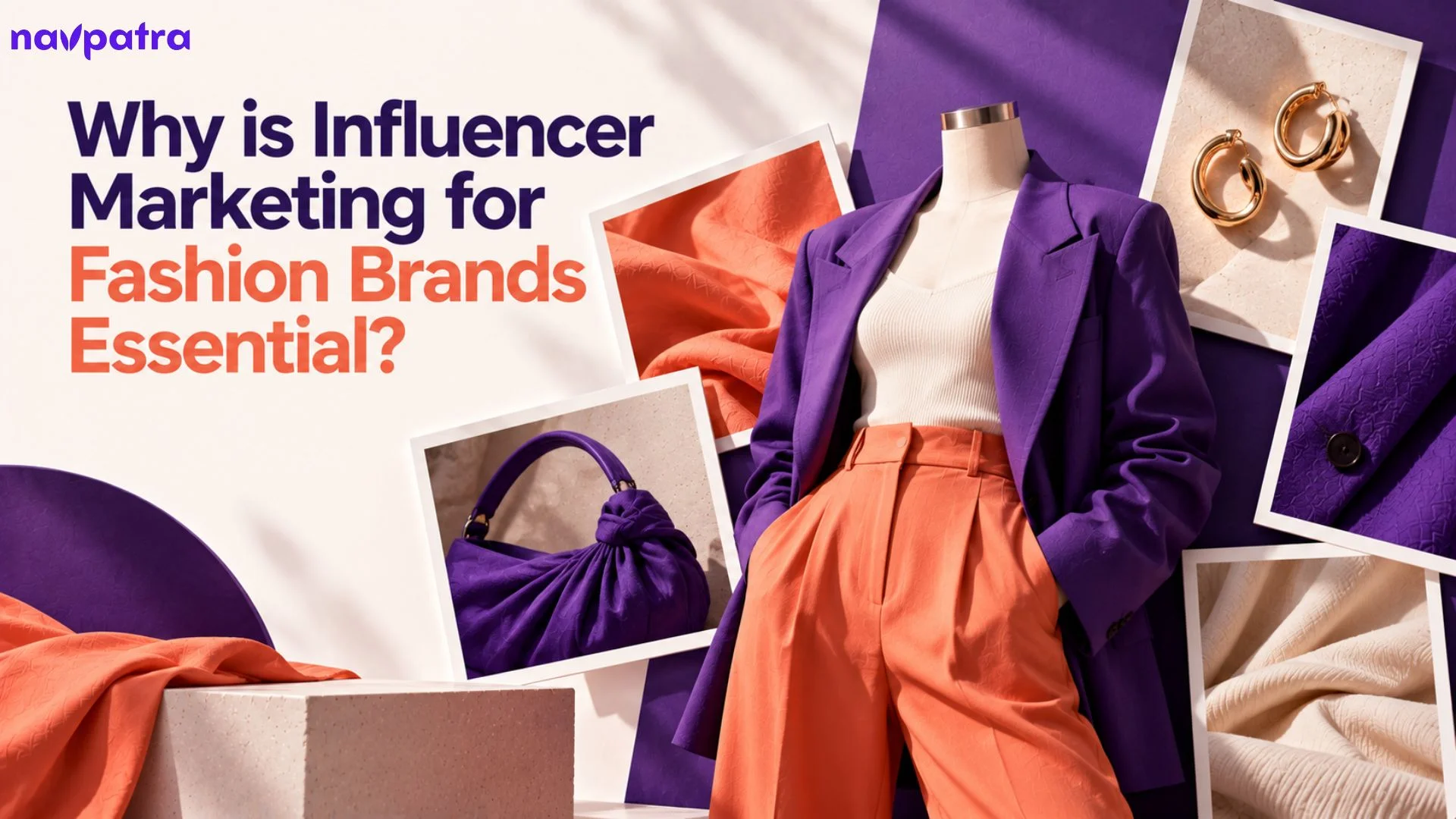
Influencer marketing helps fashion brands showcase their products through creators who understand their audiences and know how to present clothing in relatable ways.
A shopper might discover a dress through an Instagram Reel, watch a creator explain its fit, and visit the brand’s website to explore the collection. This journey shows how creator content can turn product discovery into purchase consideration.
For Indian clothing businesses, influencer marketing for fashion brands can support collection launches, regional awareness, website traffic, and online sales.
However, results depend on choosing relevant creators, producing useful content, and measuring performance beyond views and likes.
Influencer marketing for fashion brands helps increase brand awareness, showcase clothing, reach relevant audiences, and support online sales.
Choose creators based on audience relevance, content quality, engagement, and regional reach rather than follower count alone.
Use try-on hauls, honest fit reviews, styling tutorials, GRWM videos, and occasion lookbooks to demonstrate products and help shoppers make informed decisions.
Collaborate with regional fashion influencers to connect with local audiences through familiar languages, cultural preferences, and occasion-based styling.
Track campaign performance using reach, engagement, website traffic, conversion rates, attributed revenue, and net sales after returns and cancellations.
Why Influencer Marketing Works for Fashion Brands?
Fashion shoppers want to understand how clothing looks, fits, and feels before purchasing. Product photographs provide a visual introduction, but creator videos can demonstrate how a garment moves, how to style it, and which occasions suit it.
A Meta-commissioned IPSOS study published in June 2026 surveyed more than 4,000 respondents across 23 Indian cities. It reported that fashion and trends accounted for 52% of popular Reels content categories.
Across product categories, Reels reportedly influenced 81% of product discovery, 66% of consideration, and 47% of purchase decisions among surveyed respondents.
These findings are directional because the research was commissioned by Meta, and they do not guarantee results for individual campaigns.
The connection between content and commerce is also becoming more visible. In July 2025, Myntra launched Glamstream, a shoppable video destination connecting creator content with product discovery and purchasing. Its announcement highlighted the Ultimate Glam Clan, a community of more than one million registered creators.
For clothing brands, the opportunity is to use creators to answer buying questions, introduce collections, and give customers a convenient path to explore products.
7 Benefits of Influencer Marketing for Fashion Brands
Influencer marketing offers fashion brands more than visibility. It can help them build customer trust, showcase products, attract relevant website traffic, and create stronger relationships with their audiences.
Here are seven key benefits of influencer marketing for fashion brands and how each can support business growth.
Increase Brand Awareness
New clothing labels often struggle to reach customers beyond their existing followers. Collaborating with fashion creators introduces products to audiences interested in styling, trends, and lifestyle content.
A streetwear brand might work with creators who showcase everyday outfits, while an ethnic wear label could partner with creators specialising in festive fashion.
Build Trust Through Product Demonstrations
Creators can show how garments fit, how fabrics move, and how products look in different settings. Honest reviews and clear sizing details help shoppers make informed decisions.
Brands should encourage genuine product demonstrations instead of scripted praise or unsupported claims.
Insights: About 94% of the time, users form their opinion about a website based on its design, and an average user takes only 0.05 seconds to decide how they feel about a website after landing on it.
Promote New Collections
Influencer campaigns can introduce seasonal collections, festive wear, and wedding outfits when customers are actively looking for them. Styling videos and occasion-based lookbooks help audiences understand how products fit their needs.
Drive Website Traffic
Creator links and discount codes can direct interested viewers to product pages. Unique tracking links and UTM parameters help brands identify which collaborations generate visits and purchases.
However, traffic alone does not guarantee sales. Clear product information, mobile-friendly pages, and a straightforward checkout remain essential.
Generate Reusable Marketing Content
With agreed usage rights, creator videos can also support product pages, paid social campaigns, and future promotional content. A single styling video might demonstrate several ways to wear a garment, giving the brand more than one content opportunity.
Reach Regional Audiences
Regional creators can present products in familiar languages and cultural contexts. A brand promoting traditional clothing in Noida, for example, may benefit from creators who understand local occasions and styling preferences.
Encourage Repeat Purchases
Ongoing partnerships can introduce new collections to existing customers and maintain brand visibility. Rather than relying on one sponsored post, brands can build relationships with creators who understand their products and audience.
Which Influencer Content Formats Work Best?
The best influencer content format depends on your campaign goal, target audience, and product type. Fashion brands can use different formats to showcase clothing, demonstrate fit, promote new collections, and encourage customers to explore their products.
Try-on haul: Best for showcasing new collections, seasonal launches, and sale products through multiple outfit try-ons.
Get Ready With Me (GRWM): Works well for festive wear, wedding outfits, and occasion-based styling.
One item, multiple looks: Helps promote everyday clothing and wardrobe basics by showing how customers can style one garment in different ways.
Honest fit review: Builds trust by demonstrating sizing, fabric quality, comfort, and how a garment fits on a real person.
Occasion lookbook: Ideal for presenting seasonal collections, festive outfits, and wedding guest looks in a visually appealing format.
Outfit transition Reel: Helps increase brand awareness and product discovery through quick, engaging styling transformations.
Store visit: Suitable for local promotions, new store openings, and showcasing the in-store shopping experience.
Among these formats, honest fit reviews deserve particular attention. Encourage creators to mention their height, the size they wear, and how the garment fits. Provide a clear campaign brief, but let them communicate naturally so the content feels authentic and useful to their audience.
How to Choose Fashion Influencers in India?
The right fashion influencers in India requires more than comparing follower counts. Brands should evaluate audience relevance, content quality, engagement, and how well a creator’s style aligns with their products.
- Check brand and style alignment: Choose creators whose content matches your clothing category. A premium ethnic wear label may benefit from creators who specialise in occasion wear, while an affordable streetwear brand may suit creators focused on everyday styling.
- Evaluate audience relevance: Review the creator’s audience location, language, interests, and engagement quality. Check recent sponsored posts and request audience insights where available.
- Consider customer representation: Collaborate with creators of different body types and sizes to demonstrate how your garments fit different customers. This can help shoppers make more informed purchasing decisions.
- Assess content quality and authenticity: Review how creators present products, respond to comments, and disclose sponsored partnerships. Prioritise creators who communicate naturally rather than relying on repetitive promotional content.
- Compare cost with campaign objectives: Consider the creator’s fees, content deliverables, usage rights, and expected outcomes before finalising a partnership.
Choose the Right Influencer Tier
Influencers serve different purposes depending on their audience size, niche, and reach. Common working categories include:
- Nano influencers (1,000-10,000 followers): Suitable for niche communities, local awareness, and building personal connections with audiences.
- Micro influencers (10,000-100,000 followers): Useful for targeted campaigns, styling demonstrations, and reaching focused fashion audiences.
- Macro influencers (100,000-1 million followers): Suitable for collection launches and campaigns that require broader visibility.
- Mega influencers and celebrities (1 million+ followers): Often used for large-scale brand awareness and major fashion campaigns.
Insights: A well-designed website can significantly increase engagement, with users spending up to 84% more time on your site, while also driving up to a 132% year-over-year growth in online revenue.
Gifting, Barter, or Paid Collaborations?
Product gifting introduces clothing to creators, but it does not guarantee publication unless content has been agreed upon.
Barter collaborations exchange products for specified deliverables, making them an option for smaller brands. Confirm the number of posts, publishing dates, and content rights in advance.
Paid collaborations offer greater control over deliverables and deadlines. Agreements should specify fees, revisions, exclusivity, usage rights, and whether paid advertising is permitted.
Common Mistakes to Avoid
Fashion brands should avoid choosing creators solely by follower count, over-scripting content, ignoring sizing information, and booking campaigns too late for festive seasons.
They should also agree on content usage rights before reusing creator videos in advertisements or on websites.
Finally, influencer campaigns should connect with relevant product pages, SEO, and ecommerce website optimisation so interested shoppers can easily explore and purchase products.
Insights: On average, it takes about 2.6 seconds for a user’s eyes to focus on the most important areas of a web page.
Conclusion
Influencer marketing for fashion brands can help businesses increase awareness, demonstrate products, reach regional audiences, and support online sales. The strongest campaigns begin with a clear objective, select creators for audience relevance, and provide content that answers real customer questions.
Start with a manageable campaign, track performance carefully, and build on the partnerships that deliver value. When combined with SEO, social media, and a well-designed ecommerce website, influencer marketing can become a valuable part of a clothing brand’s long-term growth strategy.